 By Tyson Sheridan
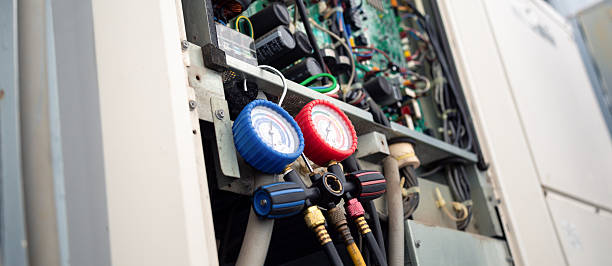
In today’s fast-paced industrial landscape, ensuring electrical safety is a paramount concern. Electrical systems, while indispensable, pose inherent risks that can lead to catastrophic failures if not properly managed. This is where rigorous testing and maintenance protocols become crucial. One such essential protocol is NETA electrical testing, which plays a pivotal role in enhancing the safety and reliability of electrical systems across various industries.
Understanding NETA Electrical Testing
NETA, or the InterNational Electrical Testing Association, sets the standard for electrical testing and maintenance to ensure the safety and efficiency of electrical systems. NETA electrical testing encompasses a comprehensive suite of assessments that evaluate the condition and performance of electrical components. This process is vital in identifying potential issues before they escalate into significant problems.
Key Benefits of NETA Electrical Testing
There are numerous advantages to implementing NETA electrical testing, including:
- Enhanced Safety: By identifying potential electrical faults early on, the risk of electrical fires and accidents is significantly reduced.
- Increased Reliability: Regular testing ensures that electrical systems operate at optimal performance, minimizing unexpected downtime.
- Cost Savings: Preventive maintenance through testing can lead to substantial cost savings by avoiding expensive emergency repairs and equipment replacements.
- Compliance: Adhering to NETA standards ensures compliance with industry regulations and standards, thereby avoiding legal and regulatory issues.
The Scope of NETA Testing
NETA testing covers a wide range of electrical testing needs, from medium voltage electrical testing to high voltage electrical testing. This breadth of testing ensures comprehensive coverage of all critical components within an electrical system.
Medium and High Voltage Testing
Medium and high voltage systems are integral to industrial operations, and their testing requires specialized expertise. Testing protocols for these systems include:
- 5KV electrical testing: This involves assessing the insulation and continuity of circuits operating at 5KV, ensuring they meet safety and performance standards.
- 15kV electrical testing: Testing at this level evaluates the integrity and efficiency of systems that handle higher loads, crucial for maintaining operational stability.
Implementing a Testing Regimen
Developing a robust testing regimen is essential for maintaining electrical safety. This involves:
- Scheduling Regular Inspections: Establishing a routine testing schedule helps in early detection of potential issues.
- Utilizing Certified Professionals: Engaging certified professionals ensures that testing is conducted according to industry standards.
- Documenting Results: Keeping detailed records of all tests and inspections helps in tracking system performance over time.
- Addressing Identified Issues: Promptly addressing any issues identified during testing prevents minor faults from developing into major failures.
Conclusion
In conclusion, the importance of NETA electrical testing for safety cannot be overstated. It is a critical component of preventive maintenance strategies that protect both personnel and infrastructure. By adhering to NETA standards and implementing a comprehensive testing regimen, industries can ensure the continued safety, reliability, and efficiency of their electrical systems, ultimately safeguarding their operations and assets.