 By Tyson Sheridan
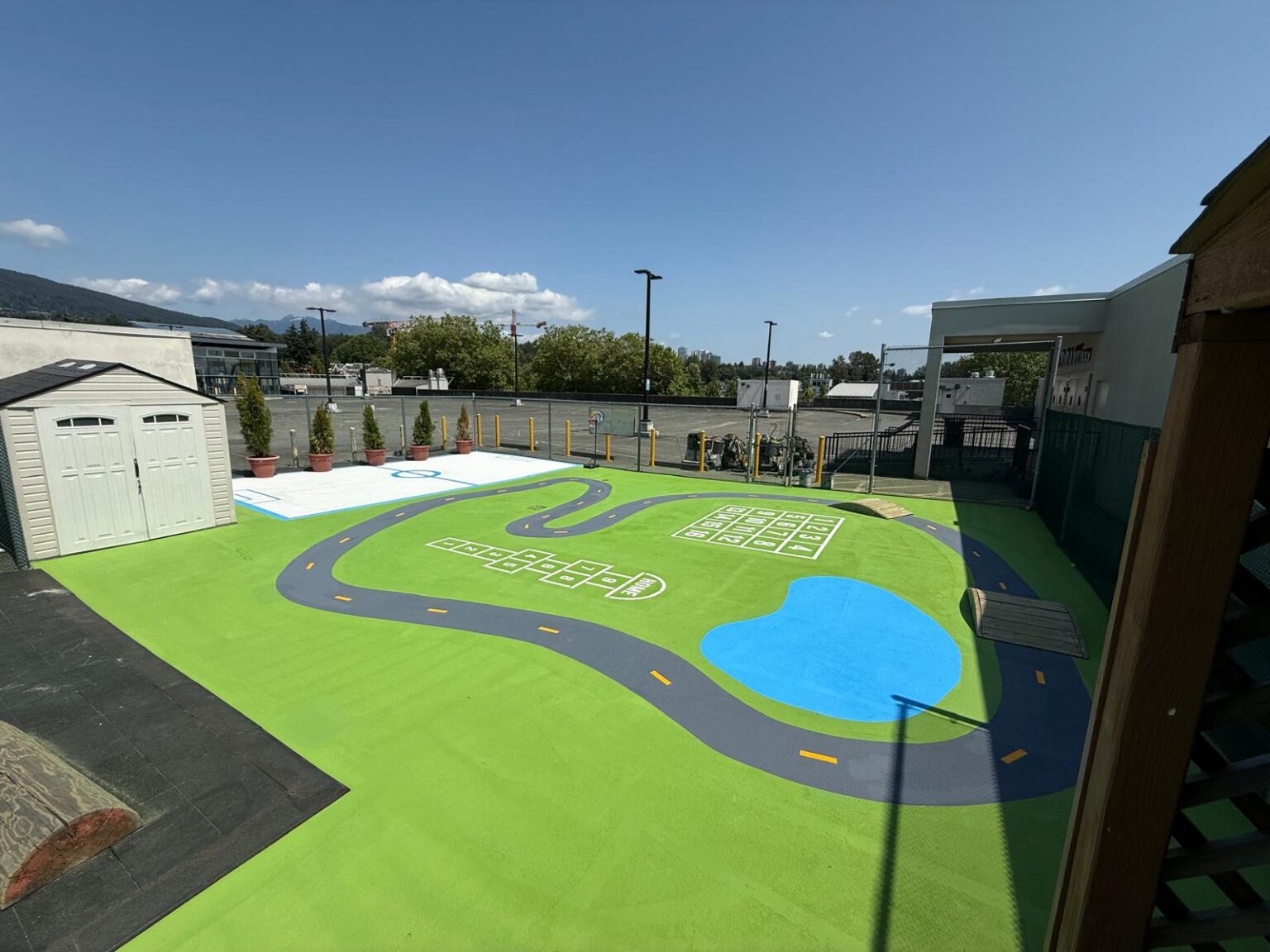
Choosing the right painter for a parking lot is more than a simple cost comparison; it involves evaluating expertise, safety standards, material quality, and long-term performance. A well-painted lot improves traffic flow, enhances curb appeal, and reduces liability. This guide breaks down the critical factors to consider, helping property managers, facility owners, and business operators make an informed decision that protects both assets and users.
Assess the Painter’s Experience and Reputation
Experience directly influences the quality of workmanship and the ability to handle unexpected challenges such as weather delays or surface irregularities.
- Years in the commercial painting industry – look for firms with a minimum of five years dedicated to parking lot projects.
- Portfolio of completed lots – request photos or case studies that demonstrate consistency across different surface types (asphalt, concrete, etc.).
- Client testimonials and third-party reviews – platforms like Google Business, Yelp, and industry forums can reveal reliability and professionalism.
For a deeper dive into evaluating professional credentials, Discover expert strategies here.
Verify Licensing, Insurance, and Safety Compliance
Painting a parking lot involves heavy equipment, traffic control, and potentially hazardous materials. Proper licensing and insurance protect both the client and the contractor.
Key compliance items to confirm
- Valid contractor’s license for commercial painting in your jurisdiction.
- General liability insurance covering property damage and worker’s compensation for on-site staff.
- Adherence to OSHA or local occupational safety standards, especially regarding traffic management and respirable dust control.
Understanding the importance of compliance can be further explored by Learn about our tailored solutions, which outlines best practices for safe project execution.
Evaluate the Quality of Materials and Application Methods
The durability of a parking lot’s markings depends heavily on the paint system and the method of application. Modern polymer-based paints, such as epoxy or polyurethane, offer superior resistance to wear, UV exposure, and chemical spills.
Materials to look for
- Thermoplastic or high-performance acrylics for high-traffic areas.
- Anti-slip additives to meet local slip-resistance codes.
- Environmentally friendly, low-VOC formulations that reduce fumes and comply with green building standards.
Application techniques that matter
- Surface preparation – thorough cleaning, crack repair, and priming ensure adhesion.
- Precision striping equipment – air-less spray or thermoplastic striping machines provide consistent line width and depth.
- Weather-aware scheduling – optimal temperature and humidity ranges prevent premature curing issues.
For a comprehensive look at material selection, Explore advanced guides and tips.
Consider Project Management and Communication
Effective communication reduces misunderstandings and keeps the project on schedule.
- Clear project timeline with milestones for preparation, striping, and final inspection.
- Design approval process – digital mock-ups allow stakeholders to confirm layout, color, and line width before work begins.
- Point of contact – a dedicated project manager who provides regular updates and addresses concerns promptly.
Read more about how structured communication improves outcomes by Find out more about this approach.
Pricing Structure and Value Assessment
While cost is a factor, focusing solely on the lowest bid can lead to subpar results and higher long-term expenses.
- Breakdown of costs – labor, materials, surface preparation, traffic control, and warranty.
- Warranty terms – reputable painters typically offer a 2-5 year warranty on line retention and color fidelity.
- Lifecycle cost analysis – compare upfront price against expected maintenance frequency and repainting intervals.
Understanding value beyond price can be aided by Discover expert strategies here, which discusses cost-benefit considerations specific to parking lot projects.
Environmental and Sustainability Considerations
Many organizations now prioritize eco-friendly practices. Selecting a painter who aligns with sustainability goals can enhance corporate responsibility profiles.
- Low-VOC or water-based paints that meet EPA standards.
- Recycling of waste materials, such as used tape and paint containers.
- Use of energy-efficient equipment and reduced idling times for traffic-control vehicles.
For additional insight into sustainable painting solutions, Learn about our tailored solutions.
Final Checklist Before Signing a Contract
Use the following checklist to ensure all critical aspects have been addressed:
- Verify license, insurance, and safety compliance documents.
- Review portfolio and request at least three references.
- Confirm material specifications (type, durability, VOC content).
- Agree on a detailed project schedule and communication plan.
- Understand pricing breakdown and warranty coverage.
- Assess environmental practices and sustainability commitments.
Following this structured approach will lead to a well-executed parking lot painting project that stands up to traffic, weather, and time. By prioritizing expertise, safety, material quality, and clear communication, property owners can achieve a professional finish that enhances safety and visual appeal for years to come.