 By Tyson Sheridan
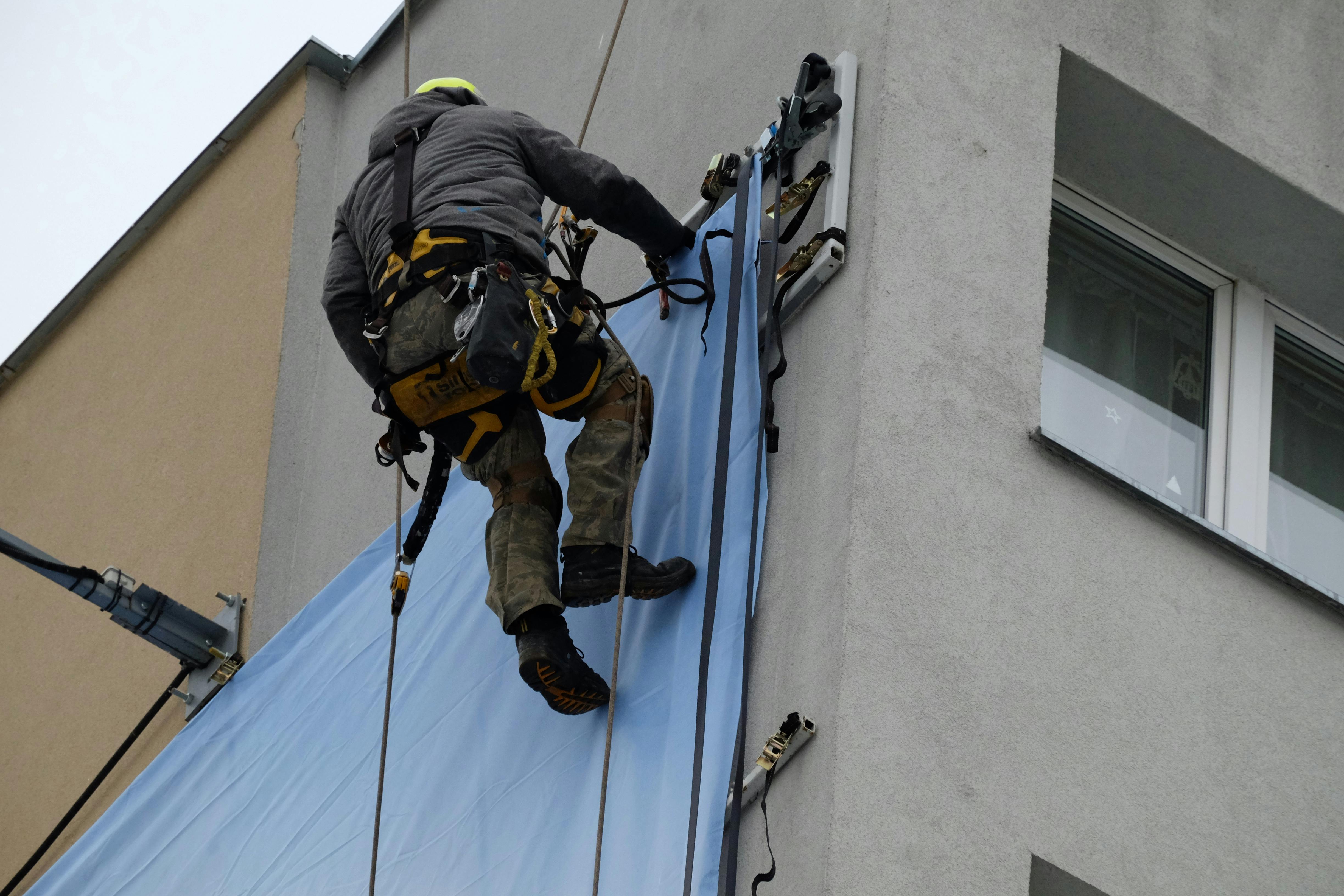
High-rise structures symbolize modern urban landscapes, yet they come with unique challenges. One such challenge is detecting and repairing water leaks. The complexity of water systems in tall buildings, combined with the potential damage from undetected leaks, demands a sophisticated approach. Effective water leak repairs are crucial to maintain the structural integrity and safety of these buildings. This article explores the intricacies of water leak repairs in high-rise buildings, providing insights into strategies and solutions that ensure long-lasting results.
Understanding the Challenges of Water Leaks in High-Rise Structures
Water leaks in high-rise buildings can arise from various sources, including faulty plumbing, damaged roofing, and compromised building materials. The consequences of these leaks can be severe, potentially leading to structural damage, mold growth, and costly repairs. Several challenges make leak detection and repair complex:
- Access to leak sites, often requiring specialized equipment or methods.
- Height and scale of the building complicating quick identification and resolution.
- Integration of multiple water systems, increasing potential leak points.
Key Strategies for Effective Leak Detection
Accurate detection is the first step in effective leak repair. Employing advanced technology and techniques can significantly improve detection accuracy:
- Utilize thermal imaging to identify leaks behind walls or under flooring.
- Deploy acoustic sensors to detect sound variations caused by leaks.
- Use moisture meters to assess water content in building materials.
Explore advanced guides and tips for detecting and addressing leaks in high-rise structures by discovering expert strategies here.
Advanced Repair Techniques for High-Rise Buildings
Once leaks are detected, implementing effective repair techniques is vital. These methods are tailored to the unique needs of high-rise buildings:
Sealing and Waterproofing
Comprehensive sealing and waterproofing are essential for preventing water intrusion. This involves:
- Applying modern sealants to joints, cracks, and other vulnerable points.
- Employing waterproof membranes on roofs and external walls.
- Utilizing advanced materials that offer long-term resilience against water.
Learn about our tailored solutions for sealing and waterproofing by finding out more about this approach.
Innovative Repair Technologies
Technological advancements have introduced new repair methods that enhance durability and efficiency:
- Epoxy injection for structural crack repairs, ensuring robust joint integrity.
- Cured-in-place pipe (CIPP) lining for repairing internal plumbing without excavation.
- Use of drones and robotic systems for inspections and repairs in hard-to-reach areas.
Explore advanced guides and tips on utilizing these innovative technologies in water leak repairs.
Ensuring Long-Term Leak Prevention
Preventative measures are crucial in minimizing the risk of future leaks in high-rise buildings. Regular maintenance and inspections can help identify potential issues early:
- Conduct routine inspections of plumbing and roofing systems.
- Implement scheduled maintenance checks for water systems and building exteriors.
- Educate building occupants on signs of potential leaks and prompt reporting.
For comprehensive strategies on maintaining high-rise buildings, learn about our tailored solutions.
Conclusion
The complexity of high-rise buildings necessitates a thorough, expert approach to water leak repairs. By employing advanced detection methods, innovative repair techniques, and proactive maintenance strategies, the integrity and safety of these structures can be assured. Investing in these solutions not only mitigates the immediate risks but also enhances the long-term resilience of high-rise buildings. For more detailed guidance and professional insights into effective water leak management, discover expert strategies here.