 By Tyson Sheridan
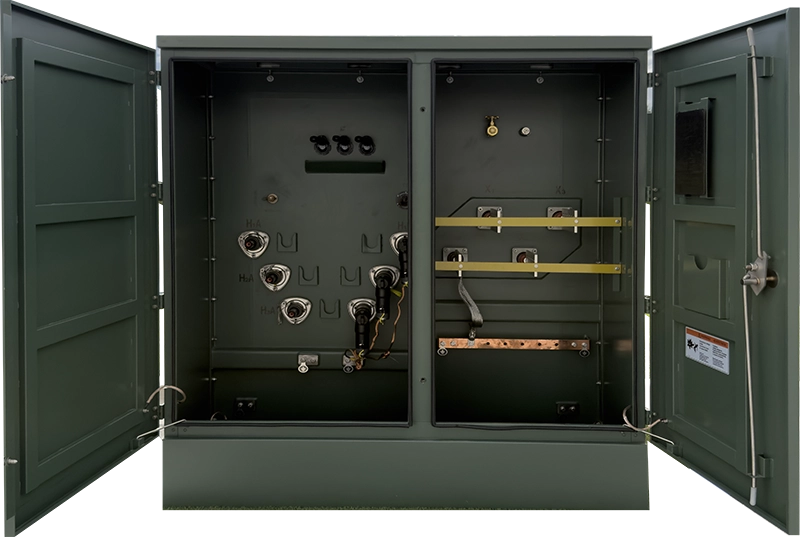
Three-phase distribution transformers are the backbone of modern power delivery, converting high-voltage electricity from transmission lines to usable voltages for commercial, industrial, and residential loads. Understanding their construction, operation, and selection criteria is essential for engineers, facility managers, and anyone involved in electrical infrastructure. This guide breaks down the core concepts, key components, and practical considerations that define a reliable three-phase distribution system.
Fundamental Principles of Three-Phase Distribution Transformers
At its core, a three-phase transformer works on the same electromagnetic induction principles as a single-phase unit, but it handles three sinusoidal voltages that are 120?? apart. This arrangement offers several inherent advantages:
- Higher Efficiency: Power is transferred continuously, reducing losses compared to three separate single-phase transformers.
- Compact Design: A single enclosure houses all three windings, saving space and simplifying installation.
- Balanced Load: Even distribution of current across phases minimizes neutral current and improves system stability.
Core Construction and Materials
The core of a three-phase distribution transformer is typically made of laminated silicon steel to reduce eddy-current losses. Advanced designs may incorporate amorphous steel or nanocrystalline alloys for even lower core losses, especially in high-efficiency applications.
Windings and Insulation
Each phase has its own set of primary and secondary windings, usually copper or aluminum. Insulation classes (e.g., Class A, B, F) dictate the maximum operating temperature and influence the transformer’s lifespan. Proper insulation selection is critical for environments with temperature extremes or chemical exposure.
Types of Three-Phase Distribution Transformers
Various configurations exist to meet specific installation requirements. The most common types include:
- Pad-Mounted Transformers: Mounted on concrete pads, these units are ideal for outdoor applications where space is limited. For detailed specifications, see the 3 phase pad mounted transformer product line.
- Substation Transformers: Larger units used within substations to step down voltage for local distribution.
- Dry-Type Transformers: Employ epoxy or resin encapsulation, suitable for indoor or hazardous locations.
- Oil-Filled Transformers: Traditional design offering superior cooling for high-power applications.
Key Selection Criteria
Choosing the right three-phase distribution transformer requires a systematic evaluation of several parameters:
Load Characteristics
- Maximum demand (kVA) and diversity factor.
- Nature of the load – resistive, inductive, or mixed.
- Harmonic content, which may necessitate K-rated or specially designed windings.
Environmental Conditions
- Ambient temperature and required temperature rise.
- Exposure to moisture, chemicals, or corrosive gases.
- Installation location – indoor, outdoor, or underground.
Regulatory and Safety Standards
- Compliance with IEC 60076, ANSI/IEEE C57.12, and local grid codes.
- Requirement for fire-resistant or low-noise designs.
- Grounding and fault-level considerations.
Installation and Maintenance Best Practices
Proper installation and routine maintenance extend the service life of a three-phase distribution transformer and ensure reliable operation.
- Site Preparation: Ensure a level, stable pad with adequate drainage; a concrete pad with a minimum thickness of 150″?mm is typical for pad-mounted units.
- Clearances: Maintain required vertical and horizontal clearances from structures, vegetation, and other equipment to allow safe access and cooling.
- Grounding: Use a low-impedance grounding system to protect against fault currents and lightning strikes.
- Routine Testing: Perform insulation resistance, turns-ratio, and load-loss tests annually; oil-filled units should undergo dissolved-gas analysis (DGA) regularly.
- Monitoring: Implement temperature and load monitoring sensors; many modern transformers support remote diagnostics via SCADA.
Advantages of Pad-Mounted Solutions
Pad-mounted designs combine the benefits of compactness with ease of access. They are particularly suited for commercial complexes, small industrial parks, and residential subdivisions. The following points highlight why a three phase pad mounted transformer might be the optimal choice:
- Quick installation – typically completed within a single workday.
- Reduced visual impact due to low profile.
- Integrated bushings and protective enclosures simplify wiring.
- Standardized dimensions allow for modular expansion.
Case Study: Optimizing Power Delivery in a Mixed-Use Development
A recent mixed-use project required reliable power for retail spaces, office suites, and residential units. The design team selected a three phase distribution transformer with a 500″?kVA rating, housed in a pad-mounted configuration. Key outcomes included:
- 30″?% reduction in installation time compared with a traditional substation approach.
- Improved load balancing across phases, resulting in a lower neutral current.
- Enhanced safety through enclosed bushings and a tamper-proof enclosure.
Future Trends in Three-Phase Distribution Transformers
Emerging technologies are shaping the next generation of distribution transformers:
- Smart Monitoring: Integrated IoT sensors provide real-time health diagnostics and predictive maintenance alerts.
- High-Efficiency Core Materials: Adoption of amorphous steel reduces core losses by up to 40″?%.
- Modular Designs: Scalable units enable easy capacity upgrades without major site disruption.
- Renewable Integration: Transformers designed to handle bidirectional power flow support solar and wind generation at the distribution level.
Conclusion
Understanding the intricacies of a 3 phase distribution transformer is essential for delivering reliable, efficient, and safe power across a wide range of applications. By evaluating load requirements, environmental factors, and regulatory standards, stakeholders can select the optimal configuration, whether a pad-mounted unit, dry-type, or oil-filled transformer. Ongoing advancements in materials, monitoring, and modularity promise even greater performance and flexibility, ensuring that three-phase distribution systems remain a cornerstone of modern electrical infrastructure.