 By Tyson Sheridan
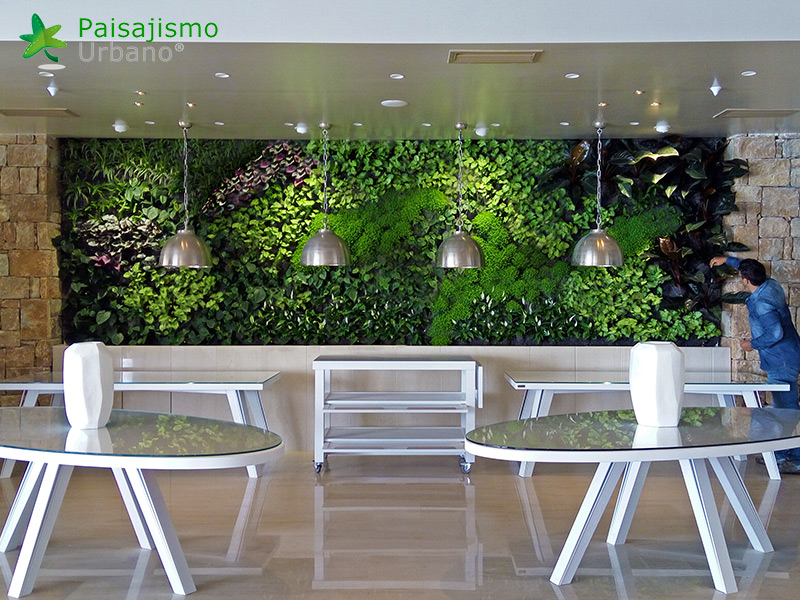
Vertical garden systems, also known as living walls or green walls, have seen a surge in popularity due to their ability to bring nature into urban environments. These innovative gardening solutions not only enhance aesthetic appeal but also contribute significantly to environmental sustainability. By optimizing space, they offer a practical solution for urban dwellers and businesses alike who seek to integrate greenery into their surroundings. With the increasing awareness of sustainability, the demand for vertical gardens is on the rise, offering both ecological and psychological benefits.
Understanding Vertical Garden Systems
Vertical gardens are essentially vertically suspended panels where various plants are grown. They can be attached to walls or freestanding structures. These systems offer a unique way to introduce greenery into spaces where horizontal gardening is not feasible.
Benefits of Vertical Gardening
- Maximizes limited space in urban settings.
- Improves air quality by absorbing pollutants and releasing oxygen.
- Provides thermal insulation, reducing energy costs.
- Enhances mental well-being by bringing nature closer.
- Reduces noise pollution by acting as a natural sound barrier.
Vertical gardens are not just a trend; they are a sustainable practice that addresses multiple urban challenges. Read more about this topic.
Types of Vertical Garden Systems
There are several types of vertical garden systems, each suited for different needs and environments:
Hydroponic Systems
These systems do not require soil. Instead, they use a nutrient-rich water solution to nourish plants. Hydroponic vertical gardens are ideal for indoor environments where soil might be cumbersome.
Soil-Based Systems
Soil-based vertical gardens use traditional planting methods and are suitable for outdoor environments where natural conditions can support plant growth. Explore further insights here.
Modular Systems
These involve pre-planted panels or modules that can be easily attached to structures. They offer flexibility as they can be rearranged or replaced as needed.
Design Considerations for Vertical Gardens
When planning a vertical garden, several factors must be taken into account to ensure its success:
Plant Selection
- Choose plants that thrive in the orientation and climate of the garden.
- Consider maintenance levels and growth patterns.
Irrigation Systems
- Implement efficient irrigation systems to ensure adequate watering.
- Drip irrigation is often used to minimize water wastage.
For more detailed guidance on designing vertical gardens, learn more in this detailed guide.
Maintenance of Vertical Garden Systems
Maintaining a vertical garden is crucial to its longevity and appearance. Regular maintenance includes:
- Monitoring and adjusting irrigation systems.
- Pruning plants to encourage healthy growth.
- Replacing any dead or diseased plants promptly.
- Adjusting nutrient levels in hydroponic systems as needed.
Proper maintenance ensures that the garden remains a vibrant and lush addition to any space. Find additional information here.
Conclusion
Vertical garden systems are an innovative solution to urban gardening challenges. They offer numerous benefits, from aesthetic enhancements to environmental contributions and personal well-being. By understanding the different types and their requirements, anyone can successfully integrate a vertical garden into their space. As urban areas continue to expand, such sustainable practices will play a vital role in creating greener, more livable environments.