 By Tyson Sheridan
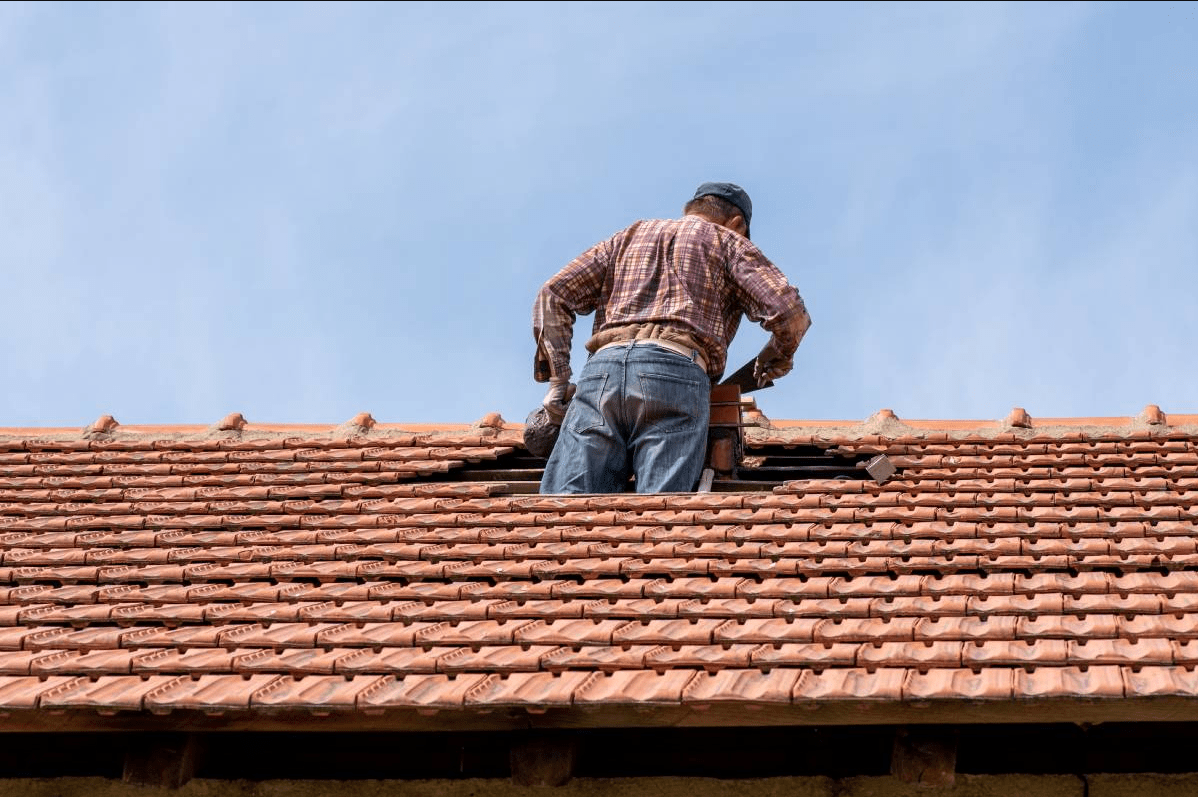
Roofs are a crucial element of any building, offering protection from the elements and contributing to the structure’s overall integrity. Regular roof inspections are essential to ensure that the roof remains in optimal condition, thereby prolonging its lifespan and preventing costly repairs. Comprehensive roof inspection services involve a thorough examination of the roof’s condition, identifying potential issues before they become significant problems. This article delves into the importance of roof inspections, what they entail, and how they can benefit property owners.
Understanding Roof Inspection Services
Roof inspection services are designed to assess the overall health of a roof. These services provide a detailed evaluation of the roof’s structure and surface, identifying areas that may require maintenance or repair. Here are the key components of comprehensive roof inspection services:
- Assessment of Roof Materials: Inspecting shingles, tiles, or other roofing materials for signs of wear and damage.
- Structural Analysis: Evaluating the integrity of the roof’s framework, including trusses and rafters.
- Leak Detection: Identifying any potential leak sources, such as damaged flashing or underlayment.
- Gutter and Drainage System Check: Ensuring that gutters and downspouts are clear and functioning correctly to prevent water damage.
- Inspection of Roof Accessories: Checking the condition of chimneys, vents, and skylights for any signs of damage or deterioration.
For more detailed insights on the inspection process, explore further insights here.
Benefits of Regular Roof Inspections
Regular roof inspections offer numerous benefits that contribute to the overall well-being of a building. Some of the primary advantages include:
- Early Detection of Problems: Inspections can catch minor issues before they escalate into major repairs, saving time and money.
- Prolonged Roof Lifespan: Regular maintenance and timely repairs can extend the life of a roof, delaying the need for a complete replacement.
- Improved Safety: Identifying and addressing structural weaknesses ensures the safety of the occupants.
- Enhanced Energy Efficiency: A well-maintained roof can improve a building”?s insulation, reducing energy costs.
To learn more about the benefits of roof inspections, read more about this topic.
What to Expect During a Roof Inspection
During a roof inspection, a qualified professional will conduct a thorough assessment of the roof’s condition. Below is an outline of what to expect:
Exterior Inspection
The exterior inspection involves a close examination of the roof’s surface and its components. This includes:
- Checking for missing or damaged shingles or tiles.
- Inspecting the flashing around chimneys, vents, and other roof penetrations.
- Evaluating the condition of the soffit, fascia, and gutters.
For a comprehensive guide on what an exterior inspection entails, learn more in this detailed guide.
Interior Inspection
The interior of the building is also assessed to identify signs of roof damage, including:
- Water stains on ceilings and walls.
- Signs of mold or mildew, which can indicate leaks.
- Checking the attic for proper insulation and ventilation.
Find additional information on the significance of interior inspections here.
Conclusion
Investing in regular roof inspections can significantly benefit property owners by maintaining the roof’s integrity and extending its lifespan. By identifying potential issues early, inspections prevent costly repairs and enhance the safety and efficiency of the building. For those interested in ensuring their roofs remain in top condition, exploring comprehensive roof inspection services is a prudent decision. For more information on roof inspections and maintenance strategies, explore further insights here.