 By Tyson Sheridan
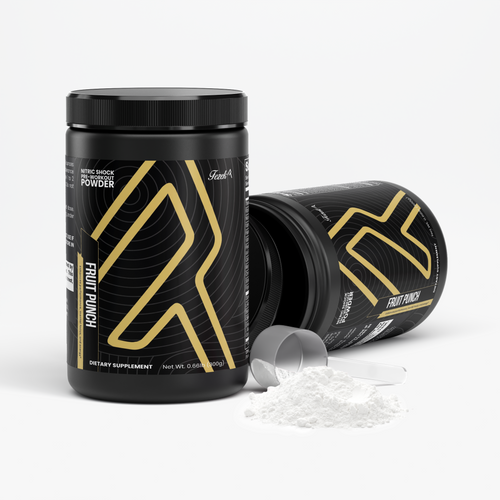
In recent years, mushroom-infused coffee has moved from niche health stores to mainstream gyms and training facilities. By combining the natural adaptogens found in medicinal fungi with the familiar caffeine boost of coffee, athletes and fitness enthusiasts gain a balanced source of energy that supports endurance, focus, and recovery. Unlike traditional pre-workout powders that rely on synthetic stimulants, mushroom coffee supplements offer a smoother, longer-lasting lift while also delivering antioxidants and immune-supporting compounds. This article explores the science behind the blend, practical usage tips for training sessions, and how to integrate it into a holistic performance regimen.
Why Mushroom Coffee Works for Athletes
Mushrooms such as Lion’s Mane, Cordyceps, and Reishi have been studied for their impact on stamina, cognition, and stress response. When paired with coffee, the resulting supplement creates a synergistic effect:
- Adaptogenic support: Helps the body adapt to physical stress, reducing cortisol spikes during intense workouts.
- Enhanced oxygen utilization: Cordyceps has been shown to improve VO??? max, allowing athletes to sustain higher intensities for longer periods.
- Cognitive clarity: Lion’s Mane promotes nerve-growth factor production, supporting focus and reaction time.
- Steady caffeine release: The fiber and polysaccharides in mushrooms slow caffeine absorption, preventing the jittery crash often associated with plain coffee.
For a deeper dive into the underlying mechanisms, Discover expert strategies here.
Choosing the Right Mushroom Coffee Supplement
Key Ingredients to Look For
- Lion’s Mane extract (??? 30% polysaccharides): Supports mental acuity and reduces perceived effort.
- Cordyceps militaris (standardized to 7% cordycepin): Boosts aerobic capacity and muscle oxygenation.
- Reishi (??? 20% triterpenes): Provides anti-inflammatory benefits and aids post-workout recovery.
- Organic Arabica coffee: Supplies a clean caffeine source without added sugars or artificial flavors.
Quality Assurance Factors
- Third-party lab testing for mycotoxins and heavy metals.
- Transparent sourcing from certified organic farms.
- Non-GMO, gluten-free, and vegan-friendly formulations.
When evaluating options, Learn about our tailored solutions. This guidance helps match the supplement profile to specific training goals.
How to Incorporate Mushroom Coffee Into Training Routines
Pre-Workout Timing
Consume a serving of mushroom coffee 30-45 minutes before the start of a session. This window allows the adaptogens to begin modulating stress hormones while caffeine reaches peak plasma levels.
Dosage Recommendations
- Beginners: One half-serving (approximately 150″?mg of mushroom extract) mixed with 150″?ml of hot water.
- Intermediate athletes: One full serving (300″?mg of extract) with 250″?ml of water or milk alternative.
- Advanced users: Up to two servings spaced 3-4″?hours apart for long endurance events.
Post-Workout Recovery
While the primary benefit is pre-exercise energy, the antioxidant profile of mushrooms also aids post-session recovery. A warm mug of mushroom coffee after training can replenish glycogen stores and reduce oxidative stress.
For additional recovery tips, Explore advanced guides and tips.
Potential Side Effects and Contraindications
Most users experience a gentle lift without adverse reactions, but it is important to be aware of the following considerations:
- Allergies: Rare, but individuals with mushroom sensitivities should start with a minimal dose.
- Caffeine sensitivity: Those who are highly sensitive may prefer a decaffeinated coffee base.
- Medication interactions: Cordyceps can affect blood-clotting pathways; consult a healthcare professional if taking anticoagulants.
Integrating Mushroom Coffee With a Holistic Performance Plan
Optimal training outcomes stem from a combination of nutrition, sleep, and targeted supplementation. Mushroom coffee fits neatly into this framework when paired with:
- Balanced macronutrient intake (45% carbs, 30% protein, 25% fats).
- Strategic hydration, aim for at least 3″?L of water daily, counting the coffee as part of total fluid.
- Consistent sleep hygiene, adaptogens can improve sleep quality when taken earlier in the day.
For a comprehensive approach that aligns supplement timing with nutrition and recovery, Find out more about this approach.
Conclusion
Mushroom coffee supplements represent a sophisticated, natural alternative to conventional stimulants, delivering steady energy, mental focus, and recovery support for demanding training sessions. By selecting a high-quality blend, timing intake appropriately, and integrating the drink into a broader performance strategy, athletes can experience enhanced endurance and reduced fatigue without the spikes and crashes of traditional caffeine sources. As the fitness community continues to prioritize evidence-based, plant-forward solutions, mushroom coffee stands out as a versatile tool for anyone seeking sustainable, natural energy on the gym floor.