 By Tyson Sheridan
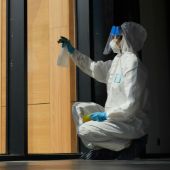
Indoor air quality (IAQ) has become a critical factor in health, productivity, and overall comfort within homes, offices, and public spaces. While outdoor pollution often dominates headlines, the air we breathe indoors can contain a complex mixture of pollutants, ranging from volatile organic compounds (VOCs) and mold spores to carbon dioxide and fine particulate matter. Understanding these hidden threats requires systematic testing, interpretation of results, and informed remediation strategies. This article delves into the science behind indoor air testing, outlines best-practice methodologies, and highlights actionable steps for maintaining a healthy indoor environment.
Why Indoor Air Testing Matters
Accurate testing provides the data needed to:
- Identify hidden contaminants that may cause respiratory issues, allergies, or long-term health effects.
- Validate the effectiveness of ventilation systems and air-cleaning technologies.
- Support compliance with building codes, occupational safety regulations, and green-building certifications.
- Inform occupants and facility managers about necessary remediation or preventive measures.
For a deeper dive into the importance of IAQ, Read more about this topic.
Core Components of an Indoor Air Test
1. Sampling Methods
Choosing the right sampling technique is essential for reliable data. Common approaches include:
- Active sampling: Uses pumps to draw air through filters or sorbent tubes, capturing pollutants over a defined period.
- Passive sampling: Relies on diffusion to collect contaminants, useful for long-term monitoring of VOCs.
- Real-time monitoring: Employs electronic sensors to provide instantaneous readings of temperature, humidity, CO???, and particulate levels.
2. Targeted Contaminants
Typical indoor pollutants measured during testing include:
- Particulate Matter (PM???.??? and PM??????)
- Carbon Dioxide (CO???) and Carbon Monoxide (CO)
- Formaldehyde and other VOCs
- Mold spores and fungal fragments
- Radon gas (in regions where it is a concern)
To explore detailed guidelines on selecting appropriate test parameters, Learn more in this detailed guide.
Interpreting Test Results
Raw data from air sampling devices must be translated into actionable insights. Key steps include:
- Comparing measured concentrations against recognized health-based standards (e.g., WHO, EPA, or local regulations).
- Assessing trends over time to determine whether conditions are improving, stable, or deteriorating.
- Identifying source locations by correlating high-concentration zones with building features such as HVAC ducts, moisture-prone areas, or chemical storage spaces.
- Prioritizing remediation based on risk severity and occupancy patterns.
Professional interpretation helps avoid misreading background levels as hazards. For more on how results are evaluated, Explore further insights here.
Best Practices for Conducting Indoor Air Tests
Effective testing follows a systematic protocol:
- Pre-assessment: Conduct a walkthrough to note potential pollutant sources, ventilation layouts, and occupancy schedules.
- Instrument calibration: Ensure all sampling equipment is calibrated according to manufacturer specifications.
- Strategic placement: Position samplers at breathing height (approximately 1.1-1.8″?m) and away from direct drafts or heat sources.
- Duration: Follow recommended exposure times, short-term (minutes to hours) for acute spikes, long-term (days to weeks) for chronic exposure assessment.
- Documentation: Record environmental conditions, date, time, and any activities that could influence readings.
- Post-test analysis: Use accredited laboratories or validated software for data processing.
Adhering to these steps ensures that the data collected are both reliable and repeatable. For a comprehensive checklist, Find additional information here.
Mitigation Strategies Based on Test Findings
Once contaminants are identified, targeted actions can improve IAQ:
- Ventilation upgrades: Increase outdoor air exchange rates through mechanical ventilation or natural means.
- Source control: Remove or seal emission sources such as off-gassing materials, cleaning chemicals, or mold-infested areas.
- Air filtration: Install high-efficiency particulate air (HEPA) filters or activated-carbon units to capture particles and VOCs.
- Humidity management: Maintain indoor relative humidity between 30-60″?% to inhibit mold growth.
- Regular monitoring: Schedule periodic re-testing to verify that remediation measures remain effective.
Emerging Trends in Indoor Air Testing
Technology continues to reshape IAQ assessment:
- IoT-enabled sensors: Provide continuous, cloud-based data streams accessible via smartphones or dashboards.
- Machine-learning analytics: Predict pollutant spikes by correlating environmental variables and occupancy patterns.
- Portable spectrometry: Allows on-site, rapid identification of a broad spectrum of chemicals.
- Standardized reporting frameworks: Facilitate comparison across buildings and support regulatory compliance.
Staying informed about these advancements can help stakeholders adopt more proactive IAQ management practices. For an overview of the latest developments, Read more about this topic.
Conclusion
Indoor air testing is a cornerstone of healthy building management. By systematically sampling, accurately interpreting, and thoughtfully acting on IAQ data, occupants can enjoy safer, more comfortable environments. Whether for residential dwellings, commercial offices, or public facilities, the principles outlined here provide a solid foundation for effective air-quality stewardship. Continuous education, regular monitoring, and the integration of emerging technologies will ensure that indoor spaces remain resilient against both known and emerging airborne threats.