 By Tyson Sheridan
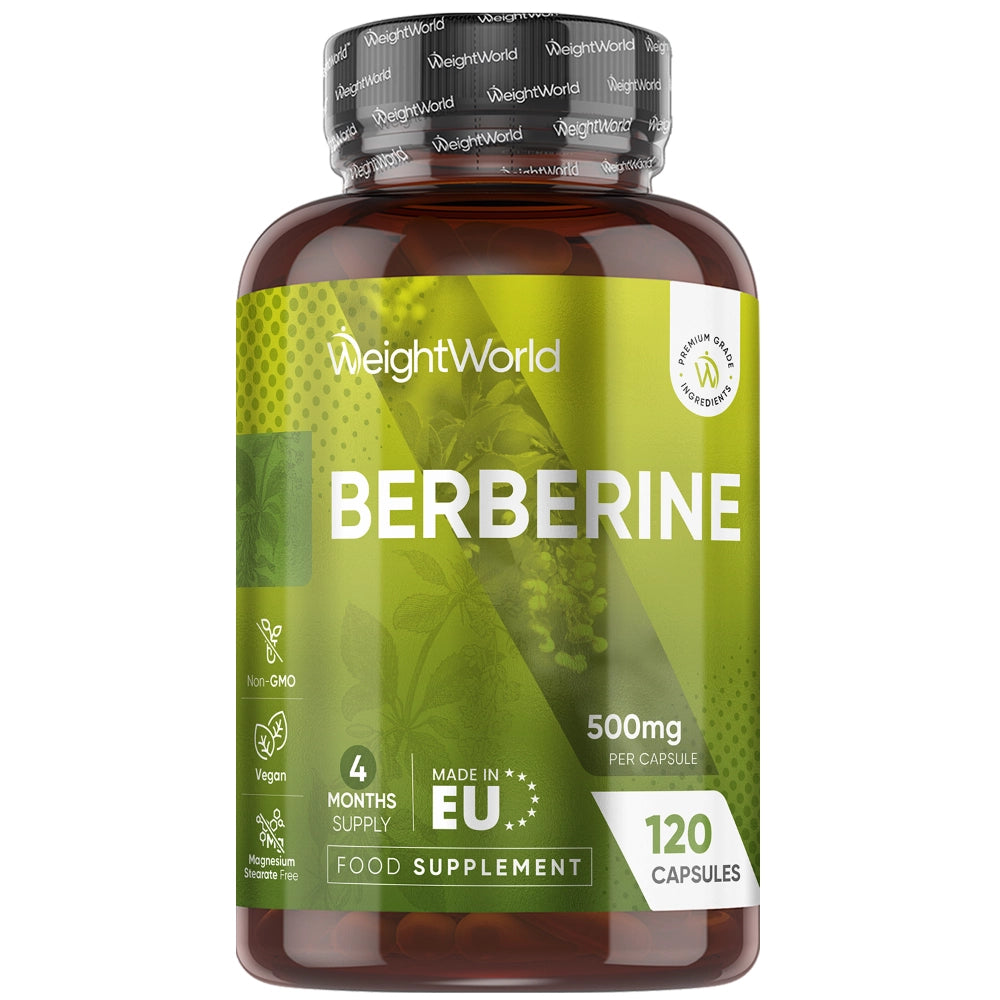
Cravings can sabotage even the most disciplined weight-management plans, leading to unwanted snacking and calorie over-consumption. With a growing market of appetite-controlling supplements, choosing the right product can feel overwhelming. This guide breaks down the science, key ingredients, and practical criteria to help identify the most effective craving suppressant for individual needs, while also highlighting reputable options such as the best craving suppressant available today.
Understanding How Craving Suppressants Work
Effective appetite control products typically target one or more of the following mechanisms:
- Neurotransmitter modulation: Influencing serotonin, dopamine, or norepinephrine pathways to reduce the urge to eat.
- Hormonal balance: Supporting hormones like ghrelin (the “hunger hormone”) and leptin (the “satiety hormone”) to promote fullness.
- Metabolic support: Enhancing thermogenesis or glucose utilization, which can indirectly curb cravings.
- Blood-sugar stabilization: Preventing spikes and crashes that trigger hunger pangs.
Key Ingredients to Look For
1. Fiber-Based Compounds
- Glucomannan: A soluble fiber that expands in the stomach, creating a feeling of fullness.
- Inulin: Promotes gut health while slowing digestion, which can help manage appetite.
2. Plant Extracts
- Berberine: Known for its ability to improve insulin sensitivity and stabilize blood sugar.
- Green Tea Extract (EGCG): Supports thermogenesis and modestly reduces appetite.
- 5-HTP: A precursor to serotonin that can help curb emotional eating.
3. Amino Acids & Peptides
- L-Carnitine: Assists in fatty-acid transport and may enhance energy levels, reducing cravings for quick-energy snacks.
- Beta-Alanine: Helps buffer muscle fatigue, supporting consistent exercise routines that naturally regulate appetite.
Evaluating Product Quality
When reviewing a supplement, consider the following criteria to ensure safety and efficacy:
- Third-party testing: Look for certifications from independent labs (e.g., NSF, Informed-Sport).
- Transparent labeling: All active ingredients, dosages, and filler information should be clearly listed.
- Clinical backing: Preference for products supported by peer-reviewed studies or reputable clinical trials.
- Dosage consistency: Products should provide the scientifically recommended amount of each active ingredient per serving.
How to Match a Suppressor to Your Lifestyle
Active Individuals
Those who engage in regular high-intensity workouts may benefit from supplements that combine thermogenic agents with electrolytes and amino acids. This approach supports energy output while curbing post-exercise hunger.
Busy Professionals
Convenient, capsule-based formulas with a focus on blood-sugar regulation (e.g., berberine) can help maintain steady energy levels throughout demanding workdays.
People with Sensitive Stomachs
Choosing products that rely on gentle fibers like inulin rather than harsh stimulants reduces the risk of gastrointestinal discomfort.
Potential Side Effects and Precautions
- Excessive fiber may cause bloating or gas; start with a lower dose and increase gradually.
- Stimulant-based suppressants (e.g., caffeine) can lead to jitteriness, insomnia, or increased heart rate.
- Individuals on medication for diabetes, hypertension, or thyroid conditions should consult a healthcare professional before starting any appetite suppressant.
Choosing the Right Product: A Step-by-Step Checklist
- Identify your primary craving trigger: Blood-sugar spikes, emotional eating, or low energy.
- Match ingredients to the trigger: Use fiber for fullness, berberine for glucose control, or 5-HTP for mood-related cravings.
- Verify quality: Check for third-party testing and clear labeling.
- Start with a low dose: Monitor how your body responds before scaling up.
- Combine with lifestyle habits: Adequate sleep, balanced meals, and regular activity amplify supplement benefits.
Top Recommendations in the Market
Among the extensive range of appetite-controlling options, the best pills to reduce appetite are distinguished by their clinically validated formulas, high-purity extracts, and transparent manufacturing processes. These products typically combine a balanced blend of fiber, botanical extracts, and supportive amino acids, delivering consistent results without relying on extreme stimulants.
Conclusion
Selecting an effective craving suppressant involves understanding the underlying mechanisms of hunger, scrutinizing ingredient efficacy, and ensuring product integrity. By aligning the supplement’s active components with personal cravings and lifestyle demands, it becomes possible to achieve sustainable appetite control. Incorporating a high-quality, scientifically backed product, such as those highlighted among the best craving suppressant selections, can provide the extra support needed to stay on track with health and weight-management goals.