 By Tyson Sheridan
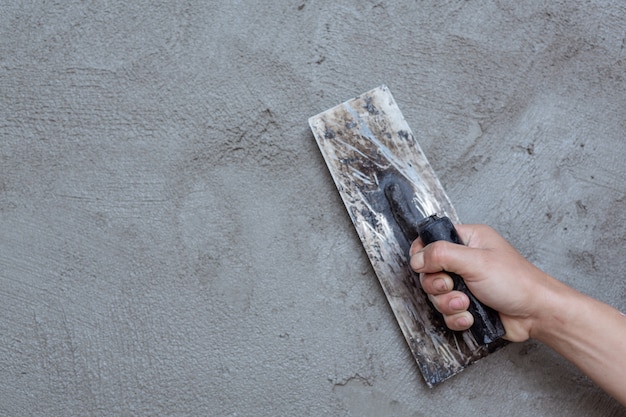
Concrete waterproofing is an essential aspect of construction and maintenance for ensuring the longevity and durability of structures. Water infiltration can lead to significant damage, causing structural vulnerabilities and costly repairs. By adopting expert waterproofing solutions, structures can be safeguarded against moisture-related issues, enhancing their longevity and performance. This article delves into the importance of waterproofing concrete and explores the various advanced techniques available to achieve long-lasting results.
The Importance of Concrete Waterproofing
Waterproofing concrete is not just about preventing water penetration; it also involves protecting the structural integrity of the building. Unprotected concrete can deteriorate rapidly in the presence of moisture, leading to:
- Cracks and structural weakening
- Corrosion of embedded steel reinforcement
- Growth of mold and mildew
- Degradation of indoor air quality
To prevent these issues, it is crucial to employ effective waterproofing techniques. Discover expert strategies here to protect your concrete structures.
Advanced Concrete Waterproofing Techniques
Today’s waterproofing solutions have evolved significantly, offering a range of products and methods tailored to meet specific construction needs. Key techniques include:
1. Crystalline Waterproofing
Crystalline waterproofing involves the application of a proprietary blend of chemicals to the concrete surface. These chemicals react with moisture to form insoluble crystals that fill the concrete’s pores and capillary tracts. This method is highly effective in:
- Sealing existing cracks
- Withstanding high hydrostatic pressure
- Providing self-sealing properties over time
Learn about our tailored solutions for implementing crystalline waterproofing.
2. Membrane Waterproofing
Membrane waterproofing is a widely used method that involves applying a protective layer to the concrete surface. These membranes can be:
- Liquid-applied: Offers seamless application and is adaptable to various shapes and surfaces.
- Sheet-applied: Provides consistent thickness and is ideal for areas with high movement.
Explore advanced guides and tips on membrane waterproofing here.
3. Integral Waterproofing
Integral waterproofing involves adding waterproofing compounds directly to the concrete mix. This approach enhances the water resistance of the concrete itself, providing:
- Uniform protection throughout the concrete mass
- Increased durability and lifespan
- Lower risk of application errors
Find out more about this approach here.
Choosing the Right Solution for Your Needs
Selecting the appropriate waterproofing method depends on several factors, including the specific environmental conditions, the type of structure, and the level of protection required. Consulting with professionals can provide valuable insights and ensure the selection of the most effective solution for any project.
For those seeking to enhance the durability and longevity of their concrete structures, understanding and implementing advanced waterproofing solutions is essential. Explore advanced guides and tips to make informed decisions and achieve optimal results.