 By Tyson Sheridan
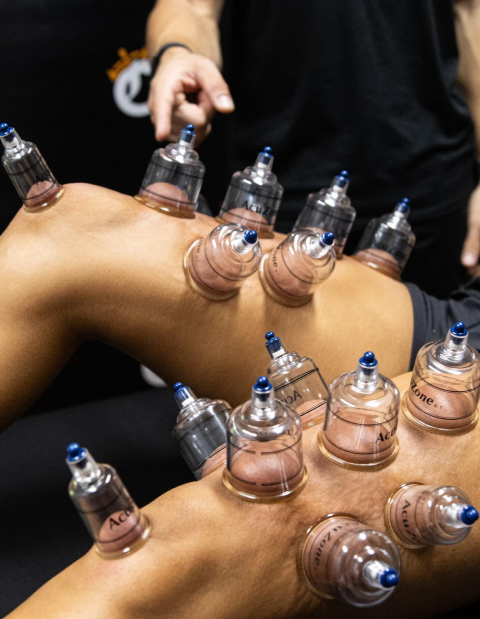
Athletes continuously strive to push past their limits, seeking every possible advantage to enhance performance. One often-overlooked aspect, however, is posture. Posture correction therapy has emerged as a vital component in an athlete’s regimen, offering not only performance enhancement but also injury prevention. With rising awareness, athletes are beginning to understand how crucial posture is to their overall athletic success and longevity.
Understanding Posture Correction Therapy
Posture correction therapy involves a combination of exercises, stretches, and education designed to align the body properly. The goal is to alleviate stress on muscles and joints, reduce the risk of injury, and improve overall biomechanical functioning. Discover expert strategies here.
Key Benefits for Athletes
- Enhanced Performance: Proper posture optimizes the body’s alignment, allowing for more efficient movement and better use of energy.
- Injury Prevention: By correcting imbalances and ensuring proper alignment, athletes reduce the strain on their joints and muscles, significantly lowering the risk of injuries.
- Improved Recovery: Posture correction can expedite recovery time by alleviating stress on the body, allowing it to heal more effectively.
Integrating Posture Correction into Training
For athletes looking to incorporate posture correction therapy into their training, it is crucial to adopt a holistic approach. Here’s how:
- Assessment: Begin with a thorough assessment of the current posture to identify areas that need correction. Find out more about this approach.
- Customized Exercise Plans: Tailored exercises should be integrated into regular training routines to address specific posture issues.
- Professional Guidance: Working with a trained therapist or coach can provide valuable insights into effective techniques and monitor progress. Learn about our tailored solutions.
Common Posture Issues in Athletes
Athletes often encounter posture-related issues due to the repetitive nature of their sports. Some common problems include:
- Forward Head Posture: Common in cyclists and swimmers, leading to neck and upper back pain.
- Rounded Shoulders: Often seen in weightlifters and can lead to shoulder impingement.
- Pelvic Tilt: Runners and sprinters frequently deal with anterior or posterior pelvic tilt, affecting their stride and causing lower back pain.
Conclusion
By incorporating posture correction therapy into their training programs, athletes can unlock new levels of performance and reduce their risk of injury. This approach not only maximizes their physical capabilities but also ensures they remain competitive for longer periods. Athletes looking to enhance their training can benefit from exploring advanced guides and tips available from trusted sources. Explore advanced guides and tips.