 By Tyson Sheridan
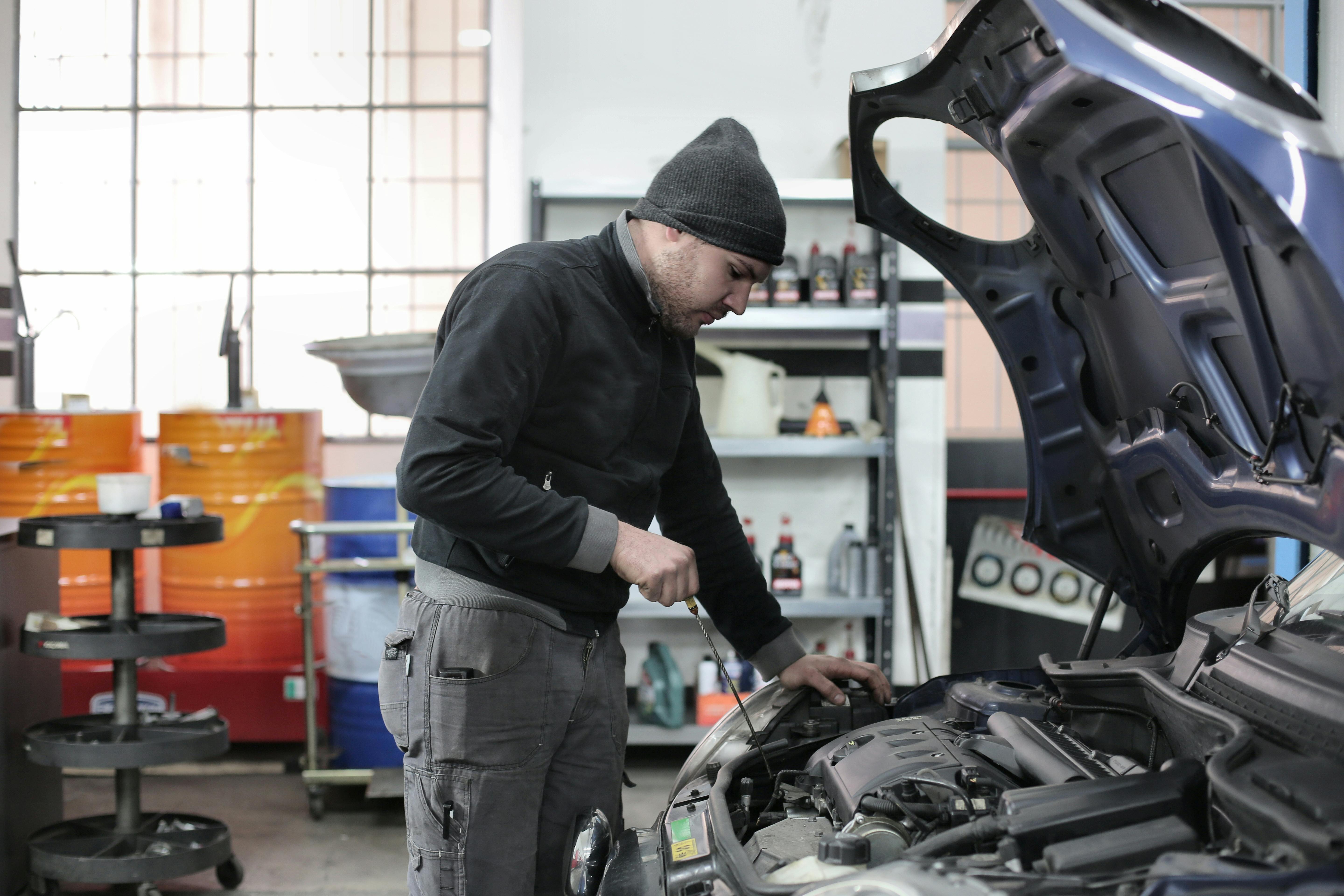
Smog checks are an essential part of vehicle maintenance, aimed at reducing emissions and ensuring that cars comply with environmental standards. However, the process can sometimes seem daunting. With a little preparation and understanding of what to expect, smog checks can be a simple and hassle-free experience. This article provides an overview of what smog checks entail, tips for a smooth process, and where to find more information.
Understanding Smog Checks
Smog checks are tests conducted to measure the amount and type of pollutants your vehicle emits. These tests are crucial in efforts to improve air quality and reduce pollution. Most vehicles are required to undergo these tests periodically, depending on state regulations and the type of vehicle.
Why Smog Checks Matter
The primary goal of smog checks is to ensure that vehicles are not releasing excessive emissions that could harm the environment. This contributes to:
- Improved air quality
- Reduced greenhouse gases
- Improved public health
- Compliance with state and federal regulations
For further insights into the importance of these checks, read more about this topic.
Steps for a Hassle-Free Smog Check
Prepare Your Vehicle
Before heading to a smog check station, ensure your vehicle is in good working condition. Some steps you can take include:
- Regularly servicing your vehicle to ensure it runs efficiently
- Checking and replacing the oil, filters, and spark plugs
- Ensuring your tires are properly inflated
- Running your vehicle at least 20 minutes before the test to ensure the engine is warm
Learn more in this detailed guide on how to prepare your vehicle for a smog check.
During the Smog Check
On the day of the test, ensure you have all necessary documents, such as the vehicle registration and proof of insurance. Be prepared for the following:
- The technician will conduct a visual inspection of the vehicle
- Exhaust emissions will be measured using specialized equipment
- Some tests may include an inspection of the onboard diagnostics system
The entire process typically takes around 20 to 30 minutes. Explore further insights here on what happens during a smog check.
Post-Smoke Check Procedures
After the test, the results will determine whether your vehicle passes or fails. If it passes, you’ll receive a certificate of compliance. If it fails, you’ll need to address the issues and retest. Consider the following steps:
- Review the test results to understand any issues
- Consult a qualified mechanic to address problems
- Schedule a retest after repairs are made
Find additional information here regarding post-smog check procedures.
Choosing the Right Smog Check Station
Selecting a reputable smog check station can significantly impact the ease of the process. Consider the following factors:
- Certification and licensing of the station
- Experience and expertise of technicians
- Customer service and convenience
- Location and operating hours
For more tips on selecting a suitable station, explore further insights here.