 By Tyson Sheridan
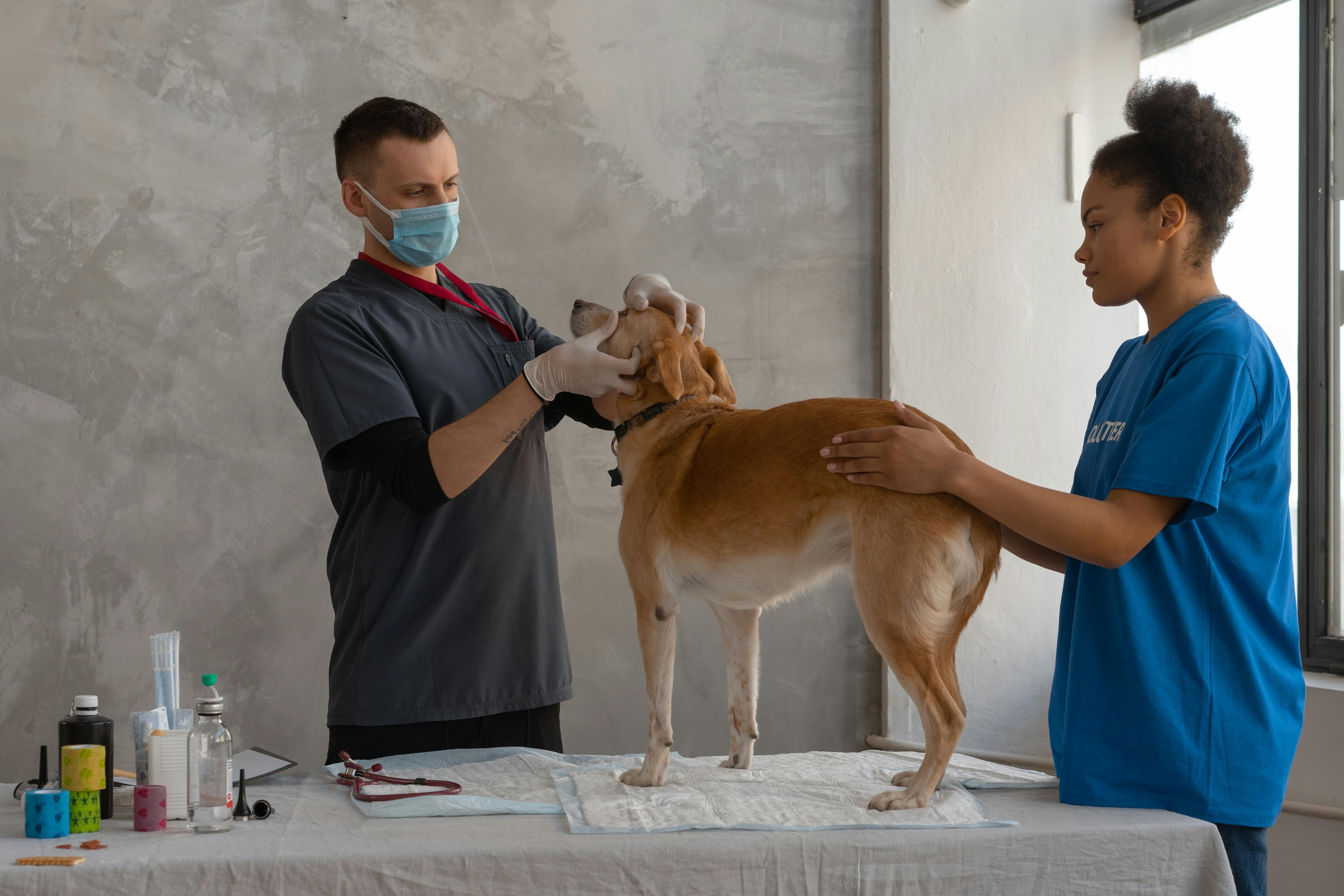
Finding reliable veterinary care close to home can feel overwhelming, especially when pets require specialized attention or emergency services. Understanding the range of options available, from full-service animal hospitals to mobile clinics and specialty practices, helps pet owners make confident decisions that keep their companions healthy and happy. This guide outlines the key factors to consider, highlights common types of veterinary facilities, and offers practical tips for evaluating quality of care, all while pointing to trusted resources for deeper insight.
Types of Veterinary Services Near You
General Practice Clinics
General practice clinics handle routine wellness exams, vaccinations, dental cleanings, and basic diagnostics. They are often the first point of contact for most pet owners.
- Comprehensive wellness exams and preventive care
- Vaccination schedules tailored to species and age
- Basic laboratory testing (blood work, fecal exams)
- Spay/neuter surgeries and minor procedures
Emergency and Urgent Care Centers
When time-sensitive issues arise, such as trauma, severe vomiting, or sudden illness, an emergency or urgent care center provides 24/7 access to life-saving interventions.
- Round-the-clock availability
- Advanced imaging (X-ray, ultrasound) on site
- Critical care monitoring and stabilization
- Rapid triage to prioritize the most urgent cases
Specialty Practices
Specialists focus on specific fields such as cardiology, oncology, orthopedics, or dermatology. Referral to a specialty practice is typically recommended after an initial assessment by a general veterinarian.
- Advanced diagnostics (MRI, CT, endoscopy)
- Targeted treatment plans for complex conditions
- Access to clinical trials and cutting-edge therapies
- Collaboration with primary care providers for comprehensive management
Mobile Veterinary Services
Mobile units bring veterinary care directly to the home, offering convenience for pets that experience stress in a clinic environment or for owners with limited transportation.
- In-home wellness exams and vaccinations
- On-site sample collection and basic lab analysis
- Convenient scheduling for senior or disabled pets
- Reduced exposure to other animals, minimizing infection risk
Key Factors to Evaluate When Choosing a Provider
- Credentials and Licensing: Verify that veterinarians are board-certified or have appropriate specialty training.
- Facility Standards: Clean, well-maintained environments with modern equipment indicate a commitment to quality care.
- Client Communication: Clear explanations of diagnoses, treatment options, and costs foster trust and informed decision-making.
- Emergency Coverage: Knowing the after-hours protocol can be critical during unexpected crises.
- Location and Accessibility: Proximity, parking availability, and public transit options affect convenience for routine visits.
How to Research Local Veterinary Options
Start by gathering a shortlist of clinics within a reasonable radius. Online directories, local pet forums, and recommendations from friends or breeders can provide initial leads. Once a list is compiled, dive deeper using the following steps:
- Visit each clinic’s website to assess services offered and staff qualifications.
- Read recent client reviews on platforms such as Google, Yelp, or specialized pet care sites.
- Check for accreditation from organizations like the American Animal Hospital Association (AAHA).
- Contact the clinic directly with specific questions about emergency protocols, specialty referrals, and payment options.
For a comprehensive overview of best practices in veterinary care, Discover expert strategies here provides valuable insights that align with industry standards.
Cost Considerations and Financial Planning
Veterinary expenses can vary widely based on the type of service, geographic location, and complexity of care. Understanding typical cost structures helps prevent surprise bills.
- Preventive Care Packages: Many clinics bundle vaccinations, exams, and parasite control at a discounted rate.
- Payment Plans: Some practices partner with financing companies to spread out larger expenses.
- Pet Insurance: Policies can offset costs for surgeries, chronic disease management, and emergency care.
- Transparent Pricing: Clinics that provide detailed estimates before procedures demonstrate financial transparency.
To explore budgeting tools and insurance options tailored for pet owners, Learn about our tailored solutions offers practical guidance.
Preparing for Your First Visit
A well-prepared appointment maximizes the time spent with the veterinarian and ensures all necessary information is communicated.
- Bring a complete medical history, including previous vaccinations, surgeries, and any known allergies.
- List current medications, supplements, and dosages.
- Note any recent changes in behavior, appetite, or activity level.
- Prepare questions in advance to clarify diagnoses or treatment plans.
For detailed checklists and sample questions, Explore advanced guides and tips can serve as a useful reference.
When to Seek Specialty or Referral Care
While general practitioners manage most routine health needs, certain conditions warrant a specialist’s expertise.
- Persistent or unexplained pain, especially in joints or the spine.
- Unusual skin lesions, chronic itching, or recurrent infections.
- Abnormal heart rhythms, murmurs, or respiratory distress.
- Cancer diagnoses requiring chemotherapy, radiation, or targeted therapies.
Understanding the referral process can streamline care transitions. For more information on coordinating specialty referrals, Find out more about this approach offers step-by-step guidance.
Conclusion
Choosing the right veterinary care near you involves assessing the types of services available, evaluating clinic credentials, and planning for both routine and unexpected health needs. By leveraging reputable resources, asking informed questions, and preparing adequately for appointments, pet owners can ensure their animals receive the highest standard of care. Continual education and proactive health management remain essential components of a lifelong partnership with trusted veterinary professionals.